An astronomical perspective on eclipses
We will be entering into “eclipse season” soon, with eclipses happening on the following dates:
- 18 Sep 2024 – Partial lunar eclipse
- 2 Oct 2024 – Solar eclipse
In this post, I will share an astronomical view on eclipses and how they come about. In the next post, I will dive into the astrological significance of eclipses, what to watch out for, what to do and not to do, when eclipses take place in the sky.
Solar Eclipse

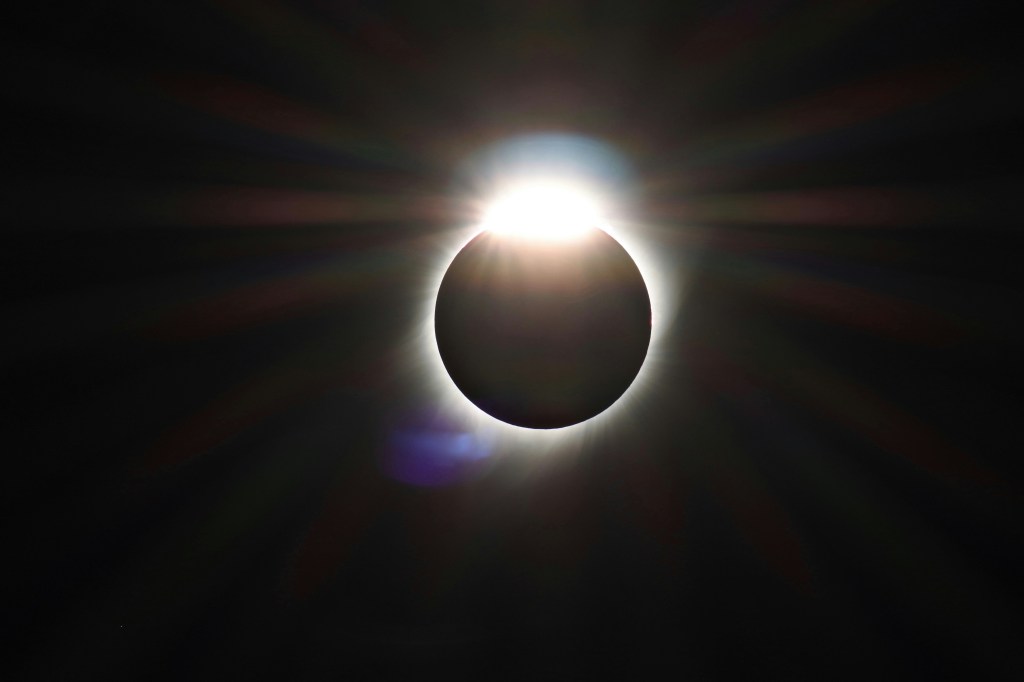
A solar eclipse is one that takes place when the Moon is between the Sun and the Earth, and the presence of the Moon blocks the Sun’s light from reaching the Earth. During a total solar eclipse, the path of the Moon is perfectly aligned with the path of the Sun, and blocks off the majority of the Sun’s light, giving rise to the “ring of fire” below.
Lunar Eclipse
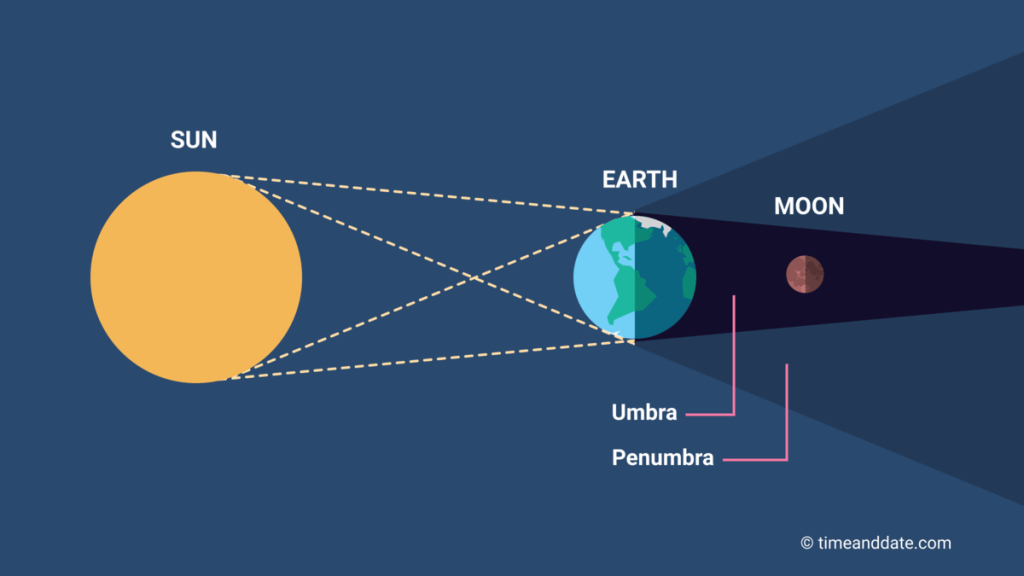
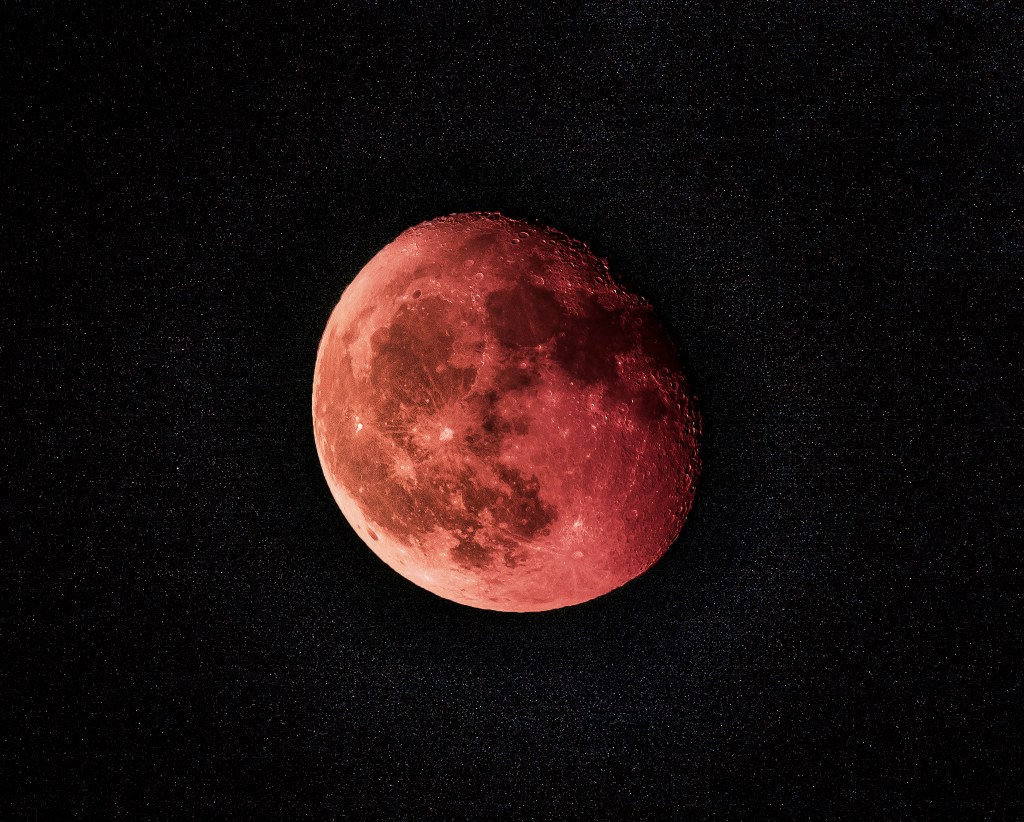
A lunar eclipse happens when the Moon is on the opposite side of Earth, such that the Earth is between the Sun and the Moon. However, unlike the solar eclipse where the Sun is being hidden by the Moon, we can still see the Moon during a lunar eclipse. Though the Moon is in the shadow of the Earth, light from the Sun that is refracted through the Earth’s atmosphere can still reach the Moon, but gives it a reddish hue as shown below.
Eclipses – Special cases of the dark and full moons
Those astute amongst us may have noticed that the movement of the Moon, from being between the Sun and Earth in a solar eclipse, to being on the other side of the Earth in a lunar eclipse, is simply a part of the lunar cycle. This lunar cycle takes place every month, so why don’t we have eclipses every month?
The answer lies in the presence of an angle between the Earth’s orbit around the Sun, and the Moon’s orbit around the Earth.

Because of this angle, the Moon is below Earth’s plane of orbit for half the time(or half the lunar cycle), and above for the other half of the time. Therefore, when a dark moon happens, the Moon is usually either below or above the plane of Earth’s orbit, i.e. the Moon is too low or too high to block the Sun, and a solar eclipse cannot happen.
Similarly, when a full moon happens, the Moon is usually too low or too high for the Earth to block it from the Sun’s light. Hence, a lunar eclipse cannot happen.
So when does eclipses happen? An eclipse can only happen when the dark or full moon takes place when the Moon is near or right on the plane of Earth’s orbit, as marked by the red dot in the above diagram. At these positions, the Moon is able to block the Sun in a solar eclipse, and be blocked by the Earth in a lunar eclipse.
Seen this way, eclipses are special cases of the dark and full moons.

I hope this has been useful in helping you understand how eclipses come about. In my next post, I will dive into the astrological significance of eclipses and what to watch out for when they happen. Stay tune!
For those who wish to know more about eclipses astronomically, you may want to check out these links – solar eclipse and lunar eclipse.
If you want to know more about astrology or get an astrology reading, head on over to this page.
🙏

 Jerry Astrology
Leave a comment